
How Greenwashing Became Normal
Greenwashing no longer shocks anyone.
It doesn’t look like an outright lie. It doesn’t feel like deception. Most of the time, it arrives softly—wrapped in the language of care, progress, and responsibility. A muted colour palette. A leaf icon. A promise to do better and a big claim.
Today, greenwashing is not a scandal.
It is the baseline.
From Exception to Strategy
There was a time when misleading environmental claims were rare enough to be exposed and condemned. Now they are so widespread they barely register. Sustainability messaging has become a standard layer of branding, regardless of what a company actually does.
This shift did not happen because corporations suddenly became more ethical. It happened because sustainability became profitable. Nobody wants to leave that piece of the pie on the table, and also, let's admit it: it sounds amazing.
As public concern for the climate, social justice, and animal welfare grew, brands adapted their language faster than their practices. Marketing departments moved quickly. Supply chains did not.
The gap between what is said and what is done widened—and in that gap, greenwashing flourished.
The Power of Ambiguity
Greenwashing thrives on vagueness.
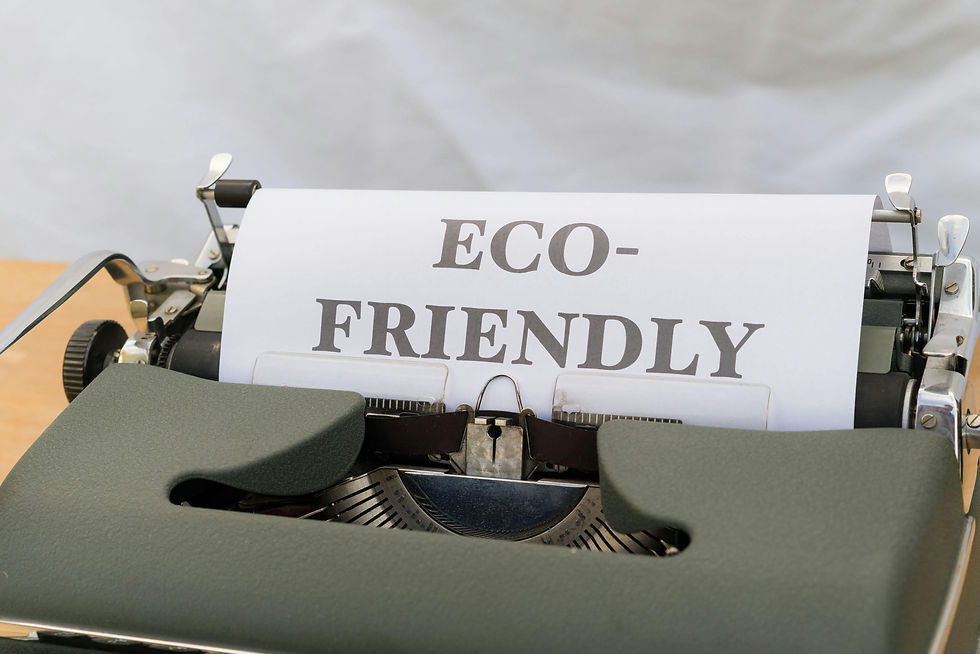
Words like eco-friendly, natural, clean, conscious, and responsible have no consistent, enforceable definitions. They sound meaningful, but they are designed to be flexible. A product can be “better” without being good. A company can be “on a journey” without changing course.
Claims are carefully crafted to suggest impact without specifying scope, scale, or evidence. Improvement is framed as transformation. Intent is framed as action. Consumers are left to fill in the blanks.
When Aesthetics Replace Evidence
Greenwashing is as visual as it is verbal.
Earth tones, minimalist packaging, recycled textures, and imagery of nature signal virtue before any facts are presented. Sustainability becomes an aesthetic—something you can recognise at a glance, without asking questions.
This works because people are tired.
In a noisy marketplace, visual shortcuts offer relief. They allow quick decisions in a system that demands constant evaluation. But aesthetics are not accountability, and familiarity is not proof.
Still, the system rewards what is recognisable, not what is rigorous.

Certifications Without Context
Labels and certifications were meant to build trust. Instead, many have become tools of confusion. Some are credible and strict. Others are industry-created, loosely regulated, or pay-to-play. Many assess only a single aspect of a product while allowing consumers to assume broader responsibility.
Without context, certifications become another marketing asset—used selectively, enlarged on packaging, and rarely explained.
Transparency is replaced by symbolism.
Why No One Is Stopping It
Greenwashing persists because it is rarely punished.
Regulation is inconsistent, slow, or absent. Some country have tighter measures, some not at all. And in a globalised world where anybody anywhere can purchase a product from the other side of the world and have it delivered to their door in days, local regulations don't always apply.
Oversight often lags behind innovation in marketing. Enforcement relies on complaints rather than proactive scrutiny.
At the same time, the burden of proof is reversed. Consumers are expected to detect falsehoods, compare claims, and research independently. Corporations benefit from complexity and opacity.
When accountability is optional, then it becomes fiction.
The Cost of Normalisation
The normalisation of greenwashing has consequences beyond misinformation.
It erodes trust. When every brand claims to be responsible, the word loses meaning. Consumers grow cynical or disengaged. Those trying to do better struggle to be seen alongside louder, less accountable competitors.
Worse, greenwashing delays real change.
By giving the impression of progress, it reduces urgency. It allows harmful systems to continue operating under the cover of good intentions and gradual improvement.

Confusion as a Feature to be mastered
The current system does not fail despite confusion—it thrives on it.
Confusion fragments responsibility. It prevents collective pressure. It keeps conversations focused on individual products rather than systemic reform.
As long as people are busy decoding labels and questioning themselves, they are less likely to question power.
Beyond Greenwashing
Ending greenwashing requires more than better branding.
It requires enforceable standards, clear definitions, independent verification, and consequences for misleading claims. It requires transparency that is accessible, comparable, and public.
Most of all, it requires a shift in expectations.
Sustainability should not be something companies say.
It should be something they can prove.
Until then, greenwashing will remain what it has quietly become: not a deviation from the system, but one of its most reliable features.


