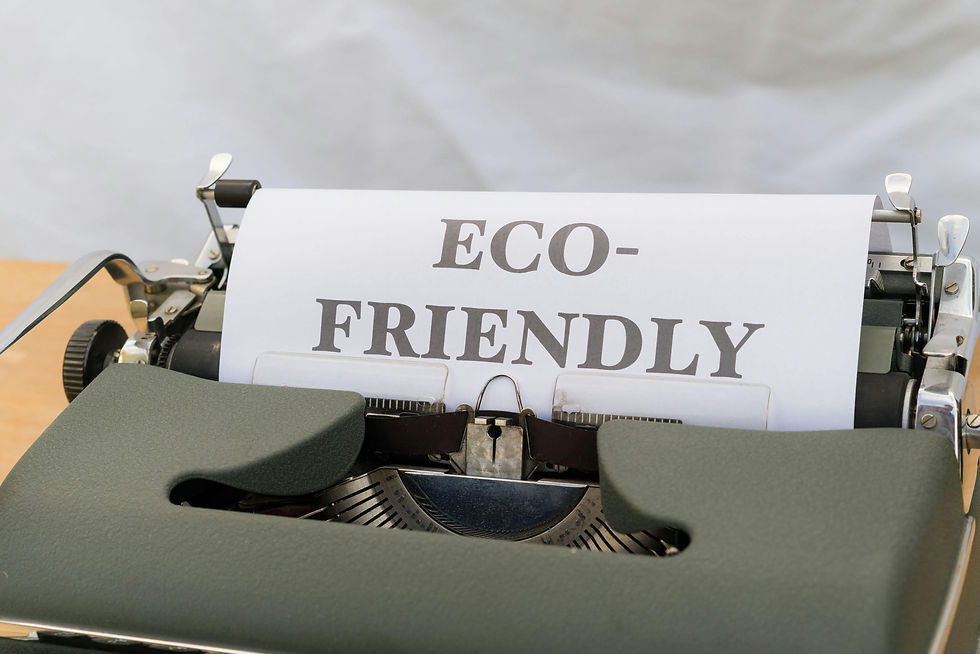
Consumerism Burnout: When Caring Becomes Exhausting
A growing portion of the population genuinely cares.
People care about the environment. They care about slowing down climate change, defending social justice, protecting animals, and treating others with kindness. They want to make informed, responsible choices. They want to believe that small, everyday decisions—what they buy, wear, eat, or use—can contribute to a better world.
But caring has become exhausting.
The Burden of “Doing the Right Thing”
In theory, conscious consumption sounds simple: buy less, buy better, choose responsibly. In reality, modern consumers are drowning in noise. Every product claims to be eco, ethical, clean, natural, green, or sustainable. Every brand positions itself as part of the solution. Every purchase feels like a moral decision with invisible consequences.
The problem is not a lack of goodwill. It’s the overwhelming burden placed on individuals to investigate, verify, and arbitrate truth in a marketplace designed to obscure it.
Most people do not have the time—or the energy—to independently research every brand’s supply chain, materials, certifications, labor practices, environmental impact, or marketing claims. Yet that responsibility has quietly been shifted onto the consumer. As brands are no longer forced to sustain their claims with evidence and social media awards engagement and virality over truth, care has been outsourced to individuals.

Marketing Without Accountability
We live in an era where marketing can say almost anything to drive sales, often without needing to prove it. Sustainability claims are rarely backed by transparent evidence. Certifications are cherry-picked, vaguely referenced, or misunderstood. Buzzwords replace data. A green label, a recycled-looking container, or a carefully worded mission statement is often enough to win trust.
Greenwashing is no longer the exception—it is the business model.
Meanwhile, large corporations with enormous budgets can flood the market with polished campaigns that frame minimal effort as meaningful change. Small improvements are exaggerated. Harmful practices are quietly ignored. And the system continues to reward those who can afford visibility rather than those who do the work.
The result is confusion. And confusion breeds impulsive buying.
When consumers no longer know what to believe, decision fatigue sets in. Faced with endless, conflicting claims, many people disengage altogether—or default to convenience, price, and habit. Not because they don’t care, but because the cognitive load of caring has become unbearable.

The Missing Infrastructure of Trust
There is no central, open, transparent system that evaluates brands holistically.
No widely trusted public database that analyses materials, ingredients, certifications, sourcing, labor conditions, and environmental impact—and presents that information clearly, accessibly, and without financial bias.
In the absence of this infrastructure, misinformation thrives. Responsibility becomes fragmented. And individuals are left feeling guilty, overwhelmed, and powerless inside a system that is structurally designed to extract, exploit, and obscure.
This is consumerism burnout.
It’s the emotional and moral fatigue that comes from trying to make ethical choices in an unethical system.
A System That Exhausts Its People—and Its Planet
The consequences extend far beyond individual frustration.
Ecosystems are collapsing at an unprecedented rate. Climate instability accelerates.
Communities and workers are exploited. Animals suffer. Mental health declines. And all the while, the narrative insists that if things are going wrong, it’s because consumers are not trying hard enough.
This framing is not just inaccurate—it’s dangerous.
It protects the status quo. It allows corporations to continue operating with minimal accountability. And it keeps people blaming themselves instead of questioning the system.

What Comes Next
Now, more than ever, we must raise our voices.
We must challenge myths, interrogate claims, and demand evidence. We must analyze, expose, and speak honestly about what isn’t working—without shaming individuals who are already doing their best.
This is not about perfection. It’s about transparency, accountability, and shared responsibility.
Care should not be a luxury reserved for those with time, money, or expertise. It should be supported by systems that make the right choices clearer and public, not harder.
Yes, consumers should aim to always research a company or brand and their products to be able to make informed decisions, but regulations should be tighter at a global level to enforce responsibility, and ultimately care for the environment and the individual.